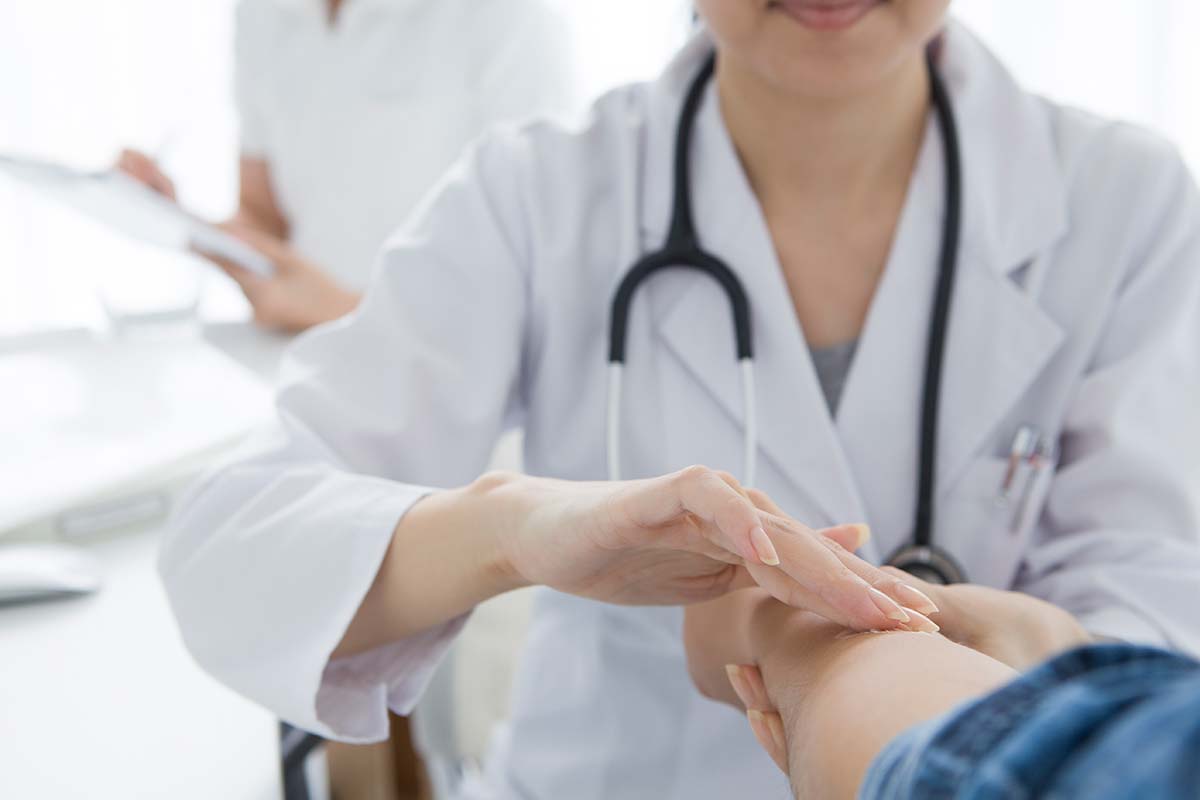
Independent medical examinations (IMEs) are often utilized when an objective medical opinion is needed. These exams are typically conducted by doctors who have not previously been involved in a patient’s care, and they play a crucial role in numerous scenarios.
What Are Independent Medical Examinations?
An independent medical examination is an assessment by a physician not associated with the individual’s ongoing care. The primary goal is to ensure the evaluation is unbiased and objective, providing an impartial medical opinion on a person’s health condition.
These exams can be used in several situations including:
– Insurance claims – to verify the extent of injuries or illnesses reported.
– Workers’ compensation – to assess work-related injuries and determine corresponding benefits.
– Disability assessments – to evaluate the level of disability and eligibility for benefits.
– Legal cases – to provide evidence-based medical opinions in personal injury or malpractice lawsuits.
Why Are Independent Medical Examinations Important?
IMEs are critical when an unbiased medical perspective is needed. They help ensure that decisions regarding insurance claims, compensation, and legal cases are based on accurate medical information.
Some key benefits include:
– Objective evaluation – Provides an unbiased assessment of a health condition.
– Clarification – Helps to clarify complex medical issues.
– Dispute resolution – Resolves disputes in insurance and legal cases.
– Verification – Confirms or disputes the findings of treating physicians.
How Is an IME Conducted?
The process of an independent medical examination typically involves several steps. Here’s what you can generally expect:
1- Referral—The process begins when an insurance company, employer, or legal entity requests an IME.
2- Selection of Examiner – A suitable independent physician, often a specialist, is selected to conduct the examination.
3- Medical Review – The examiner reviews all relevant medical records and documentation before the examination.
4- Physical Examination – The patient undergoes a thorough physical examination.
5- Reporting – The IME physician compiles a detailed report with their findings and conclusions.
Preparing for an IME
If you are scheduled for an independent medical examination, being well-prepared is important. Here are some tips:
– Bring all necessary documents – Medical records, test results, and any other relevant information.
– Be honest – Provide truthful responses to all questions asked by the examiner.
– Understand your medical history – Be prepared to discuss your medical history and current condition in detail.
Potential Outcomes of an IME
The results of an IME can have significant implications. Depending on the findings, several outcomes are possible:
– Approval of claim – If the examination supports the patient’s condition, their claim may be approved.
– Denial of claim – The claim may be denied if findings contradict the patient’s reports.
– Need for further tests – Additional tests or evaluations may sometimes be recommended.
– Treatment recommendations – The IME may recommend specific treatments or interventions.
Common Misconceptions about IMEs
Many misconceptions surround the process of independent medical examinations. Here are some of the common myths:
– IME physicians are biased – IME doctors are trained to provide objective, unbiased assessments.
– IMEs are unnecessary – IMEs provide crucial evidence that can impact important decisions in insurance and legal contexts.
– IME results always favor the company – The aim is to deliver an impartial medical opinion, not to benefit the requesting party.
Real-World Applications
To understand the practical applications, consider the following scenarios:
Insurance Claim
A patient with chronic back pain files an insurance claim for disability benefits. The insurance company requires an IME to verify the severity of the condition. The independent examiner evaluates the patient and confirms the disability, resulting in the approval of the claim.
Workers’ Compensation
An employee injured at work claims compensation benefits. However, there is a dispute regarding the extent of the injuries. An IME is conducted to assess the injuries objectively. The findings help resolve the dispute, ensuring fair compensation.
Legal Case
Both parties might request an IME to validate injury claims in a personal injury lawsuit. The independent examination provides unbiased medical evidence, aiding in a fair legal resolution.
Independent Medical Examinations in the Future
With advancements in medical technologies and data analytics, the future of independent medical examinations looks promising. Technology can facilitate:
– Remote Consultations – Telemedicine can make IMEs more accessible.
– Enhanced Accuracy – Advanced diagnostic tools can improve the precision of evaluations.
– Data Integration – Better integration of electronic health records can provide comprehensive medical histories.
These advancements can make the IME process more efficient, accurate, and accessible, benefiting patients, insurers, and legal systems alike.
Wrapping Up
Independent medical examinations are vital in providing impartial medical assessments in various contexts, from insurance claims to legal cases. Individuals and organizations can navigate these situations more effectively by understanding the process and its importance. For comprehensive and professional ime services, individuals and organizations can rely on the expertise offered through various specialized providers.
Understanding the essentials of IMEs helps ensure that these examinations fulfill their aim of delivering fair and unbiased medical evaluations. By staying informed and prepared, individuals can better approach their IME experiences.
Did you find this helpful? Check out our other helpful articles on our website.
Read Also
- Top Trends Shaping the Future of Mental Health Care
 Mental health care is moving fast to meet daily human needs. People want direct care that fits modern life. Clinics respond by creating flexible options that make healing easier to reach. Providers look past rigid habits to give people solid care. From smart tools to body wellness, these changes help people find relief when life… Read more: Top Trends Shaping the Future of Mental Health Care
 - Full-Arch Dental Tourism: Why UK Patients With Severe Bone Loss Are Looking AbroadDental implants have become one of the fastest-growing segments of private dentistry. Within that market, one patient group behaves very differently from the rest: people who have been told they do not have enough upper jawbone for conventional implants. For these patients, the choice is rarely between one clinic and another. It is between a… Read more: Full-Arch Dental Tourism: Why UK Patients With Severe Bone Loss Are Looking Abroad
- Levels of Mental Health Care and When to Seek SupportMental health care can range from occasional outpatient appointments to 24-hour hospital treatment. The appropriate level depends on safety, symptom severity, daily functioning, medical needs, available support, treatment history and personal preferences. A licensed clinician should assess these factors rather than relying on a symptom list alone. Need help now? In the United States, call… Read more: Levels of Mental Health Care and When to Seek Support
- How to Choose a Shilajit Brand Based on the ResearchIn a randomized trial published in the Journal of the International Society of Sports Nutrition in 2019, 63 active men took 250 mg of standardized shilajit, 500 mg, or a placebo every day for eight weeks, and the benefit for strength retention after a fatiguing workout appeared only at 500 mg. For anyone choosing a… Read more: How to Choose a Shilajit Brand Based on the Research
- How to Incorporate Relaxation into Your Busy ScheduleFinding balance when you have a packed daily agenda often feels out of reach. Between work duties, family obligations, and personal projects, personal rest usually gets pushed to the bottom of the list. Small, intentional shifts in daily habits can help restore calm without requiring hours of extra free time. Continue reading to discover everything… Read more: How to Incorporate Relaxation into Your Busy Schedule
- Red Light Therapy for Skin and Wellness: Meet Vital Red Light TherapyModern wellness is not always about complicated treatments or long routines. Many people are now looking for simple, convenient ways to support their skin, recovery, and overall wellness at home. One technology getting more attention is red light therapy. Red light therapy uses specific wavelengths of red and near-infrared light to support the body’s natural… Read more: Red Light Therapy for Skin and Wellness: Meet Vital Red Light Therapy
- Managing Shock Loss After a Hair Transplant: The Financial and Clinical Imperative of Post-Op CareIn the rapidly evolving landscape of private healthcare, executive leadership within cosmetic and restorative surgery clinics faces a dual challenge: maintaining strict clinical standards while maximizing patient lifetime value (LTV) and brand advocacy. As the global medical tourism and elective procedure markets expand, clinical outcome quality alone is no longer the sole differentiator for premium… Read more: Managing Shock Loss After a Hair Transplant: The Financial and Clinical Imperative of Post-Op Care
- Transform Your Skin Health: Premier Gluta IV Therapy in DubaiThis comprehensive guide explores how modern intravenous wellness treatments can help revitalize your complexion, boost immune function, and support overall cellular health. By incorporating modern IV therapy Dubai services into a routine health regimen, individuals can achieve direct nutrient absorption for optimal results. Selecting a customized gluta IV drip Dubai treatment provides targeted antioxidant defense,… Read more: Transform Your Skin Health: Premier Gluta IV Therapy in Dubai